
Where We Operate
Hospital Affiliations
Most of what we do happens in our own offices. But when a procedure requires an operating room, our board-certified urologists hold surgical privileges at leading hospitals throughout north Houston — which means your surgery happens close to home, performed by the same physician who has been managing your care all along.
Why It Matters
What Hospital Affiliation Means for You
A hospital affiliation means a physician has been credentialed to admit patients and perform procedures at that facility. Credentialing is not automatic — it involves verification of training, board certification, malpractice history, and ongoing review of outcomes.
For you, it matters in three practical ways.
For you, it matters in three practical ways.

Continuity
The urologist who diagnoses you is the one who operates on you, reviews your pathology, and follows you afterward. You aren't handed off to a surgeon you've never met.

Proximity
Having privileges across several facilities means your procedure can usually be performed near where you live rather than downtown.
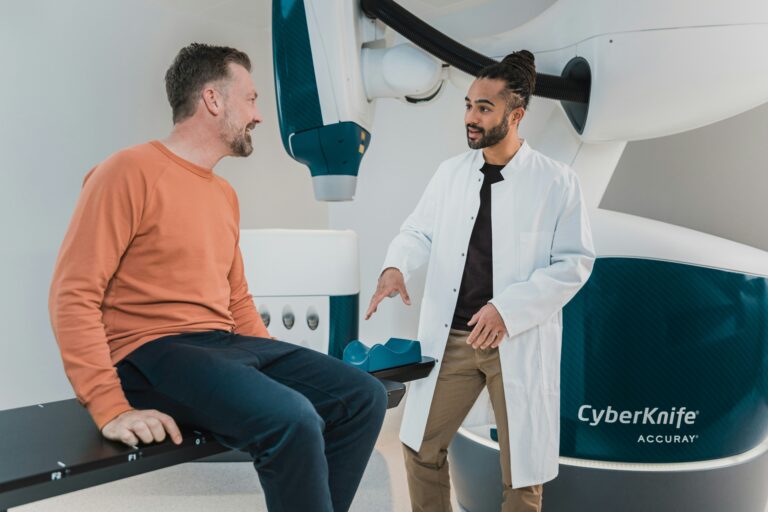
Capability
Complex cases benefit from a hospital's full resources — anesthesia, intensive care, imaging, pathology, and multidisciplinary oncology support when it's needed.
Our Affiliations
Where Our Physicians Practice
HCA Houston Healthcare Tomball
Tomball, TX
A full-service acute care hospital serving Tomball, Magnolia, Waller, and the northwest Houston corridor. It sits directly across from our Tomball office.
Houston Methodist The Woodlands Hospital
The Woodlands, TX
A full-service acute care hospital serving The Woodlands, Shenandoah, and southern Montgomery County, part of the Houston Methodist system.
Memorial Hermann The Woodlands Medical Center
The Woodlands, TX
A full-service acute care hospital located directly across from our Woodlands office.
Memorial Hermann Northeast Hospital
Humble, TX
Serving Humble, Atascocita, Kingwood, and the northeast Houston area.
Memorial Hermann Surgical Hospital Kingwood
Kingwood, TX
A surgical specialty hospital near our Kingwood office, focused on planned surgical procedures.
Most Care Happens Here
In-Office Procedures
Many urologic procedures never require a hospital at all. UroLift, Rezum, cystoscopy, vasectomy, testosterone pellet implantation, and most diagnostic testing are performed in our own offices under local anesthesia — no operating room, no general anesthesia, and no hospital stay.
When a procedure does require a hospital or surgical center, your urologist will tell you which facility, why, and what to expect. See our treatments for procedure-specific detail.
When a procedure does require a hospital or surgical center, your urologist will tell you which facility, why, and what to expect. See our treatments for procedure-specific detail.
Planning Your Procedure
Which Hospital Will I Go To?
That depends on three things: which physician is performing your procedure, what the procedure requires, and which facility is most convenient for you. Not every physician holds privileges at every facility on this list, and some procedures are better suited to particular hospitals.
Your surgeon will discuss the specific facility at your preoperative consultation, along with what to bring, how to prepare, and where to arrive. If you have a preference — a hospital your insurance favors, or one closer to family who'll be driving you — say so. It can often be accommodated.
A note on insurance: hospital charges are billed separately from your physician's charges, and a hospital's network status may differ from ours. Verify coverage for the facility as well as the physician before a scheduled procedure. Our billing team can help.
Your surgeon will discuss the specific facility at your preoperative consultation, along with what to bring, how to prepare, and where to arrive. If you have a preference — a hospital your insurance favors, or one closer to family who'll be driving you — say so. It can often be accommodated.
A note on insurance: hospital charges are billed separately from your physician's charges, and a hospital's network status may differ from ours. Verify coverage for the facility as well as the physician before a scheduled procedure. Our billing team can help.
Common Questions
Frequently Asked Questions
Yes — the same physician throughout.
The urologist who diagnoses and manages your care is the one who operates, reviews your pathology, and follows you afterward. You won't be handed off to a surgeon you haven't met.
Often yes — tell your surgeon.
Facility choice depends on your physician's privileges and what the procedure requires, but preferences can frequently be accommodated. Mention it at your preoperative consultation.
No — many are done in-office.
UroLift, Rezum, cystoscopy, vasectomy, and most diagnostic testing are performed in our offices under local anesthesia. Only procedures needing an operating room go to a hospital or surgical center.
Verify separately from your physician.
Hospital charges are billed independently and network status can differ from your physician's. Confirm coverage for the facility before a scheduled procedure.
Scope of services and emergency capability.
Surgical specialty hospitals focus on planned procedures, while full-service acute care hospitals offer emergency departments, intensive care, and a broader range of specialties. Your surgeon selects based on what your procedure requires.
Questions about a procedure?
Schedule a consultation.
We'll explain what your procedure involves, where it would be performed, and what recovery looks like — before you commit to anything.
